
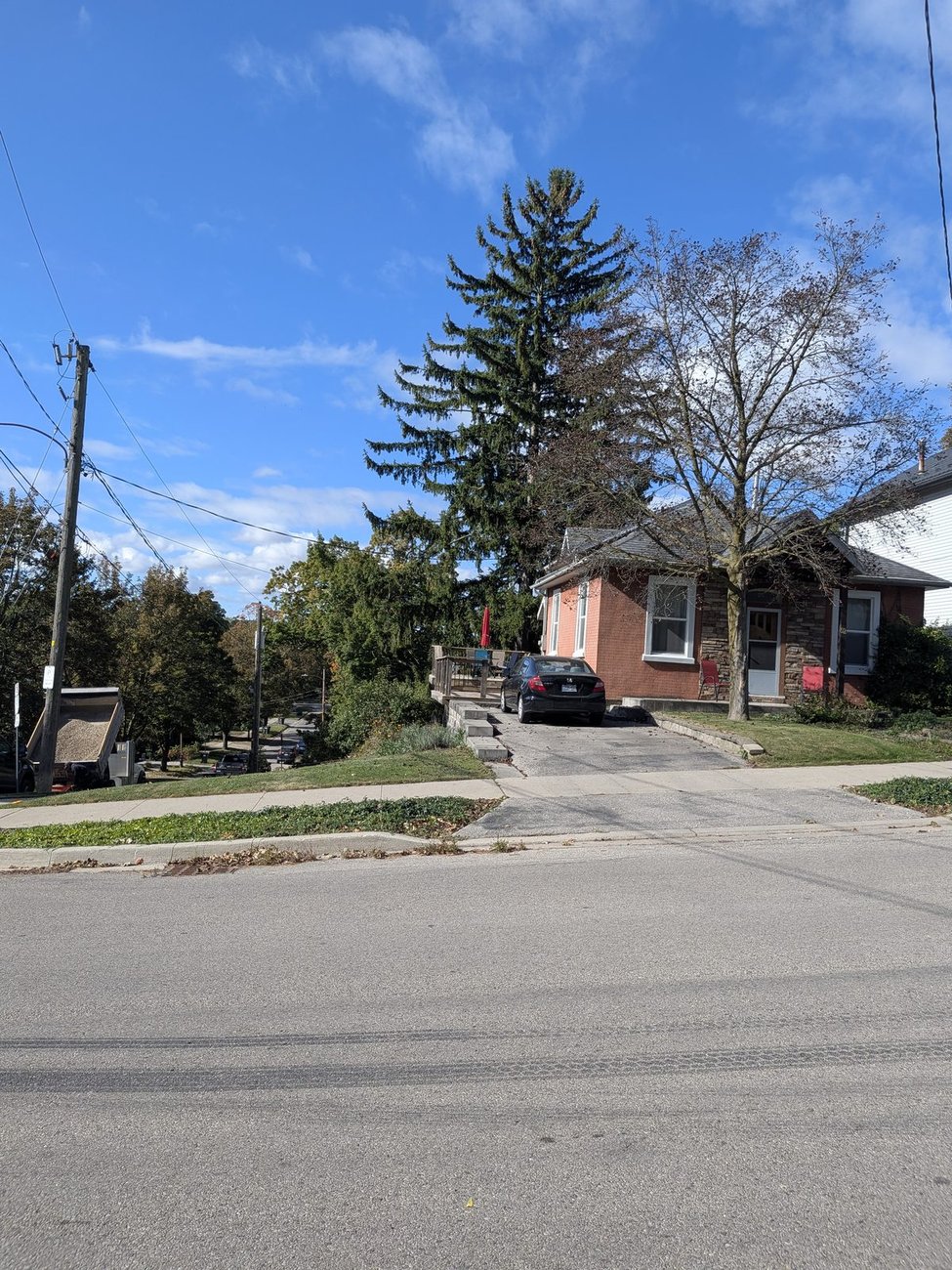
Guelph, Ontario is a city of about 144,000 people (2021 Census), roughly an hour west of Toronto, anchored by the University of Guelph and a diversified employment base that includes manufacturing, agri-food research, insurance, and technology. For real estate investors, Guelph’s draw is straightforward: a large built-in tenant pool, a rental market that stays tight by Ontario standards, and purchase prices well below comparable GTA markets.
This guide sets out the actual numbers: what investment properties cost in Guelph right now, what they rent for, how cap rates and cash flow really pencil out at today’s prices and rates, and the Ontario rules that shape returns. Every figure is dated and sourced so you can see exactly where it came from.
Why investors buy in Guelph
A large, stable tenant base. The University of Guelph had 30,435 undergraduate students in fall 2024 (University of Guelph Fact Book 2024-25), plus graduate students, faculty, and staff. Student demand concentrates near the university, but the wider rental market is driven by young professionals, families, and newcomers who work in Guelph or commute within the region.
A tight rental market by Ontario standards. CMHC’s October 2025 Rental Market Survey put Guelph’s overall apartment vacancy rate at 3.1%, with an average two-bedroom rent of $1,802 per month. Guelph’s vacancy sat below Hamilton (3.6%), Kitchener-Cambridge-Waterloo (4.1%), and London (4.0%) in the same survey. Houses and townhouses rented to families typically achieve well above the apartment average, as the listing snapshot below shows.
Prices below the GTA. Entry-level investment properties in Guelph, mainly condo townhouses, start under $400,000. Detached houses suitable for renting start in the high $400,000s. Equivalent properties in Toronto or Mississauga cost substantially more, while rents are not proportionally higher, which is why Guelph’s yields often beat the GTA’s.
The numbers right now: Guelph investment listings under $550,000
On October 22, 2026, there were 23 Guelph listings at or under $550,000 in the main investor search segments (condo townhouses, freehold townhouses, and detached houses). Using a standard investor model (20% down payment, 4.49% mortgage rate, 25-year amortization, carrying cost = mortgage + property taxes + condo fee where applicable), the snapshot looked like this:
- 6 of 22 active listings were estimated to cash flow positive
- 2 were near break-even (within $100 per month)
- 14 were estimated to run negative at 20% down
The pattern matters more than the count. Most condo townhouses under $550,000 carried condo fees of roughly $420 to $630 per month, and those fees, more than the purchase price, are what pushed them negative. The positive performers were disproportionately freehold properties with no condo fee, especially detached houses that rent to families at $2,900 to $3,100 per month.
Estimated market rents used in the snapshot: about $2,500 to $2,700 per month for three-bedroom condo townhouses, and $2,750 to $3,100 for freehold townhouses and detached houses, depending on size and condition.
The full, updated snapshot is published on this site: Guelph Investment Properties Under $550,000: Daily Cash Flow Snapshot.
A worked example, step by step
178 York Road, Guelph (listed October 2026 at $475,000): a four-bedroom detached freehold house, no condo fee, 2026 property taxes of $3,158.
Cash flow model (20% down, 4.49%, 25-year amortization):
- Estimated rent: $3,100 per month
- Estimated carrying cost: $2,364 per month (mortgage, taxes)
- Estimated cash flow: +$736 per month
Cap rate estimate, with the assumptions stated plainly (5% vacancy allowance, insurance and routine maintenance allowances, taxes at the actual figure):
- Gross annual rent: $37,200
- Less vacancy (5%): $1,860
- Less property taxes: $3,158
- Less insurance and maintenance allowances: $3,660
- Estimated net operating income: $28,522
- Estimated cap rate: about 6.0%
Compare a condo townhouse. 201 Silvercreek Parkway North, Unit 14 (listed at $399,900, three bedrooms, condo fee $456.70 per month, taxes $2,642):
- Estimated rent: $2,600 per month, estimated cash flow about +$154 per month
- After condo fees, taxes, and the same vacancy and upkeep allowances, its estimated cap rate works out to about 5.0%
Two lessons from the pair. First, in Guelph today, freehold usually beats condo on cash flow because there is no monthly fee, even at a higher purchase price. Second, cap rate and cash flow are different questions: cap rate ignores your mortgage entirely, while cash flow is what is left after the lender is paid. Serious investors track both.
What is a cap rate, in plain language?
The capitalization rate is a property’s annual net operating income divided by its price, expressed as a percentage. It answers: if I bought this property with cash, what annual return would the rent alone produce before financing? In the current Guelph market, small residential investment properties most often pencil between about 4.5% and 6%, with freehold houses at the top of that range and fee-heavy condos at the bottom. A higher cap rate is not automatically better; it can signal a rougher property, a weaker tenant profile, or more management effort. It is a comparison tool, not a verdict.
The three main ways investors buy in Guelph
- Condo townhouses as a first rental. The lowest entry price in the city, straightforward to manage, and the condo corporation handles exterior maintenance. The trade-off is the monthly fee, which grows over time and is the single biggest drag on cash flow. Suits a first-time landlord who values simplicity over maximum yield.
- Freehold houses rented to families. Detached and freehold townhouse properties in established neighbourhoods such as Exhibition Park, the Junction, and Onward Willow rent in the $2,750 to $3,100 range and, as the snapshot shows, produce the strongest cash flow at current prices. The trade-off: you carry all maintenance yourself, and entry prices are higher.
- Houses with additional dwelling units (ADUs). Ontario law allows up to three residential units on most urban lots, and Guelph supports legal basement apartments and garden suites that meet the Building Code and zoning rules. A legal second unit can add roughly $1,400 to $1,900 per month in rent and transform a marginal property’s numbers. The trade-offs are renovation cost, permits, fire code compliance, and more intensive management. Never rely on an illegal unit’s rent in your math, and confirm any existing unit’s legal status before you buy.
Student rentals deserve a specific mention. Properties near the University of Guelph, particularly in the Old University neighbourhood, rent readily to student groups, often by the room. Returns can be strong, but so are turnover, wear, and management demands, and the City of Guelph licenses lodging houses. This segment rewards hands-on landlords and property managers who know the rules.
The Ontario rules that shape your return
- Rent increases. For units first occupied on or before November 15, 2018, rent is guideline-controlled. Ontario’s rent increase guideline for 2026 is 2.1%, applied once in any 12 months with 90 days’ written notice. Units first occupied after November 15, 2018 are generally exempt from the guideline cap, though notice rules still apply. (Government of Ontario.)
- No vacancy decontrol surprises either way: when a tenant leaves voluntarily, you may set the new rent at market. While a tenant stays, the guideline governs, which is why buying below market rent in a controlled unit is a long-term drag you must price in.
- Land transfer tax. Ontario’s tax applies on purchase: 0.5% on the first $55,000, 1% from $55,000 to $250,000, 1.5% from $250,000 to $400,000, and 2% above $400,000. The first-time buyer refund is for owner-occupants, so pure investors budget the full tax.
- Non-resident buyers. Ontario’s 25% Non-Resident Speculation Tax applies in the Greater Golden Horseshoe, which includes Guelph, to buyers who are not Canadian citizens or permanent residents (with exemptions and rebates in specific cases).
- Landlord obligations. Ontario’s Residential Tenancies Act is tenant-protective: no pet deposits or damage deposits may be collected, only a rent deposit applied to the last period, and evictions require Landlord and Tenant Board process. Budget for professional management (typically 6 to 8% of rent) if you will not self-manage, and learn the Standard Form of Lease before your first tenancy.
Questions investors ask me most
What cap rate should I target in Guelph?
Most small residential deals here pencil between about 4.5% and 6% in late 2026. Around 5% with clean numbers and a solid tenant profile is a fair deal in this market; chasing 6% usually means accepting a rougher property or more management.
Do investment properties in Guelph cash flow at 20% down?
Some do, most do not, and the honest October 2026 snapshot is 6 positive out of 22 active listings under $550,000. Freehold houses rented to families are your best odds. Larger down payments, a legal second unit, or buying below the $550,000 segment change the picture.
What rents can I actually get?
In the current listings, estimated achievable rents run about $2,500 to $2,700 per month for three-bedroom condo townhouses and $2,750 to $3,100 for freehold houses. CMHC’s average two-bedroom apartment rent of $1,802 (October 2025) covers older apartment stock and sits well below house rents.
Condo townhouse or freehold house for a first rental?
If simplicity is the priority and some negative monthly cash flow is acceptable in exchange for appreciation, a condo townhouse is the easier first step. If monthly cash flow is the priority, a freehold house is usually the stronger choice at today’s prices and fees.
Is a basement apartment worth adding?
Often, yes, when the house has the ceiling height, egress windows, and layout to legalize one. A legal unit can add roughly $1,400 to $1,900 per month. Get a contractor’s quote and confirm zoning and fire code requirements before you count that rent.
I live outside Ontario. Can I buy in Guelph?
Yes, out-of-province Canadians buy here regularly. Non-citizen, non-permanent-resident buyers should get advice on the 25% Non-Resident Speculation Tax, which applies in Guelph, before they shop.
How I help investors
I run the numbers on every serious candidate the same way you saw above: real taxes, real condo fees, conservative rent estimates, and both cap rate and cash flow, before anyone writes an offer. My daily investment snapshot tracks every Guelph listing under $550,000 so clients see the whole field, not just the highlights, and my neighbourhood guides cover the areas investors ask about most, including Clairfields, Kortright Hills, and Exhibition Park.
If you are weighing a Guelph investment property, bring me the address. You will get the full math, the catches I can see, and a straight answer on whether I would buy it.
Shelley Lorenz, Sales Representative
Royal LePage Royal City Realty, Brokerage
124 Cityview Drive N, Guelph, Ontario
Email: shelleylorenz@royallepage.ca
Website: lorenzrealtor.ca
Sources: CMHC Rental Market Survey, October 2025 (Guelph CMA); University of Guelph Fact Book 2024-25; Government of Ontario rent increase guideline; Realm/MLS listing snapshot, October 22, 2026, analysis by Shelley Lorenz. Listing details and rents are estimates for illustration and change daily; verify all figures before acting. This guide is general information, not financial or legal advice.